Stress-Enduring Characteristics
MUSE cells are identified by their ability to survive cellular stress conditions that would challenge many other cell populations.
MUSE cells — Multilineage-Differentiating Stress Enduring cells — are a distinctive population of stress-tolerant cells being studied for their ability to migrate toward areas of tissue stress, participate in repair signaling, and support regenerative recovery.
At Young For Life, MUSE-focused protocols may be considered for joint restoration, recovery, and longevity goals when clinically appropriate.
We will beat any legitimate written price for the same MUSE cell service. Comparable quote must reflect the same treatment type, cellular product, dose/quantity, and route of administration.
MUSE cells have attracted attention because of how they respond to stress signals and how they may participate in tissue-repair pathways.
Rather than positioning every cellular product as interchangeable, we focus on the biology, sourcing, quality, and clinical rationale behind the treatment being considered.
MUSE cells are being explored because they may respond to tissue stress in ways that differ from conventional mesenchymal stromal/stem cell populations.
MUSE cells are identified by their ability to survive cellular stress conditions that would challenge many other cell populations.
Research has examined S1P/S1PR2-related signaling associated with migration toward areas of tissue injury and cellular stress.
They are being studied for possible roles in repair-related signaling, trophic support, and modulation of local inflammatory activity.
Experimental studies describe pluripotent-like behavior, including the ability to differentiate toward cell types from multiple tissue lineages.
MUSE cells are also being investigated for immune-tolerant and immunomodulatory characteristics that may differ from conventional cellular products.
This is a simplified research model, not a guarantee of a clinical result. The relevance of these mechanisms depends on the condition, product, dose, delivery method, and patient.
The treatment decision should begin with your condition and goals — not with a product pitch.
We review symptoms, imaging, medical history, prior treatments, goals, and whether a regenerative approach is reasonable.
Cell source, identity, handling, testing, and overall protocol quality are considered before treatment is recommended.
Administration is selected around the treatment objective, anatomy, and overall regenerative plan.
Recovery, rehab, peptides, nutrition, or other supportive strategies may be integrated when appropriate.
MUSE cells are being investigated across a range of regenerative applications. At Young For Life, the focus is on practical patient goals rather than broad promises.
Regenerative outcomes depend on the diagnosis, tissue environment, product quality, delivery strategy, patient health, and what happens after treatment.
That is why our approach combines cellular therapy with a structured plan for pain control, tissue protection, recovery support, and rehabilitation when appropriate.
See Our Regenerative ProgramsMUSE cells are being investigated in a much broader regenerative context than orthopedics alone. Human studies and preclinical research have examined their behavior in several forms of tissue injury and neurological disease.
Human clinical research has evaluated an allogeneic MUSE cell-based product after subacute ischemic stroke, including a randomized placebo-controlled study.
Human clinical researchA small phase 2 study evaluated repeated intravenous administration of a MUSE cell-based product in patients with ALS. Other neurological applications remain investigational.
Early-stage human researchPreclinical and early clinical research has explored MUSE cells after myocardial injury, including their ability to localize to injured heart tissue and participate in repair.
Preclinical + early clinical researchLarge-animal studies have examined MUSE cell transplantation in liver fibrosis, adding to a wider body of organ-repair research.
Preclinical researchLaboratory research has examined MUSE cell secreted factors involved in stress tolerance, extracellular-matrix remodeling, and immune regulation.
Mechanistic researchCell therapy quality can vary. The important questions are what the product actually contains, how it was sourced and handled, what testing supports it, and why that specific product fits your case.
Your treatment plan may combine advanced cellular therapy with joint-specific or longevity-focused care.
A structured five-step approach designed to reduce pain, address ongoing joint breakdown, support regeneration, continue recovery, and rebuild function.
A personalized optimization program that may combine diagnostics, peptides, recovery strategies, and advanced regenerative biologics.
Real patients sharing their experiences with regenerative care at Young For Life.
Schedule a ConsultationPatient video testimonial
Patient video testimonial
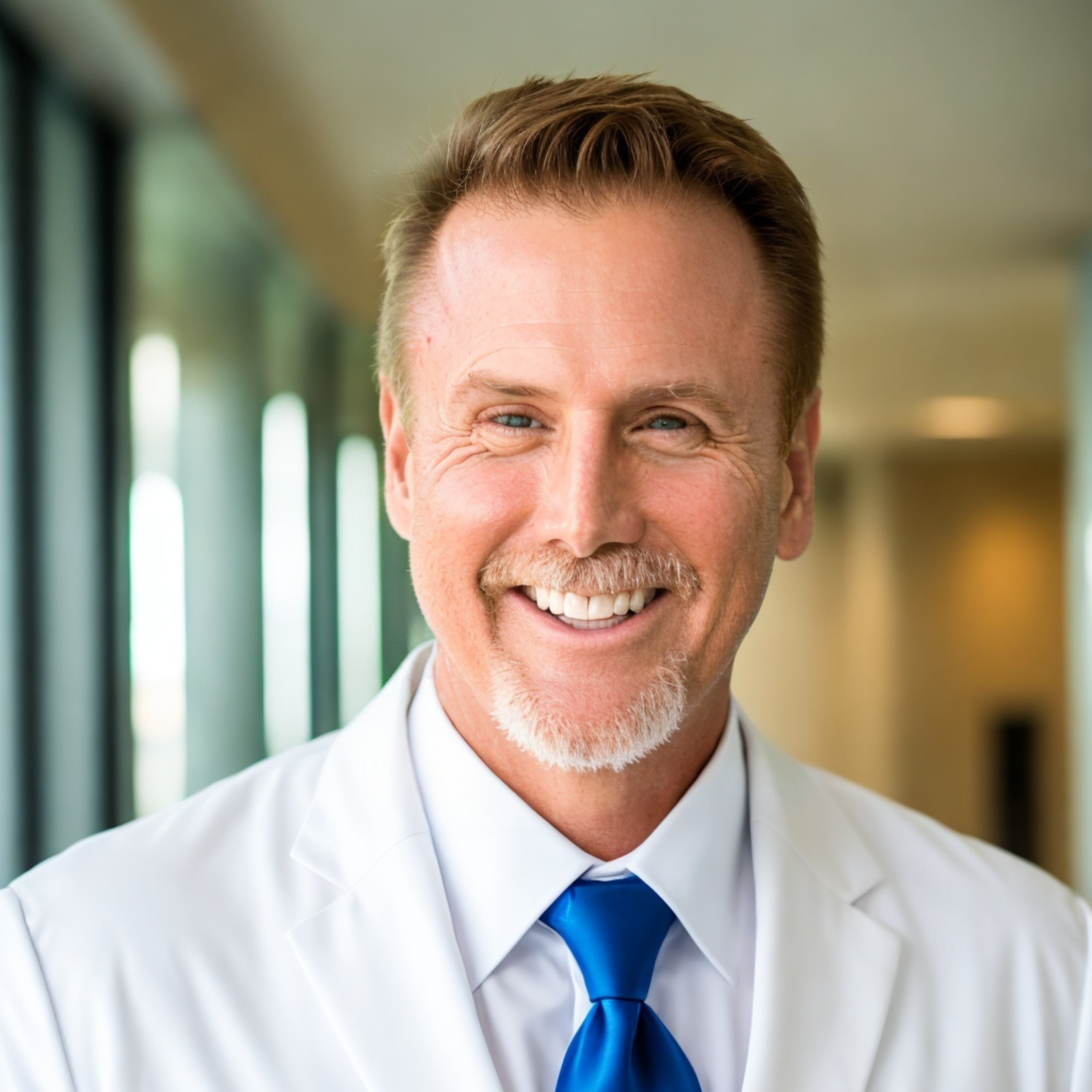
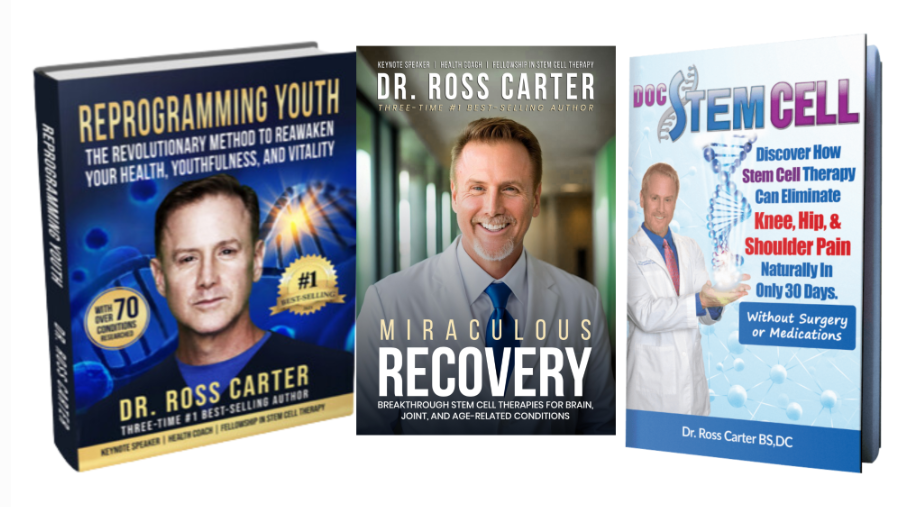
Dr. Ross Carter has been in private practice since 1996 and involved in regenerative medicine since 2011. His approach is built around one simple idea: the name on the vial matters less than what is actually in it, how it was produced, and whether the protocol makes sense for the patient.
Regenerative medicine, health, longevity, and medical fiction.
Your first step is a clinical conversation about your diagnosis, goals, prior treatments, and what you want to get back to doing.
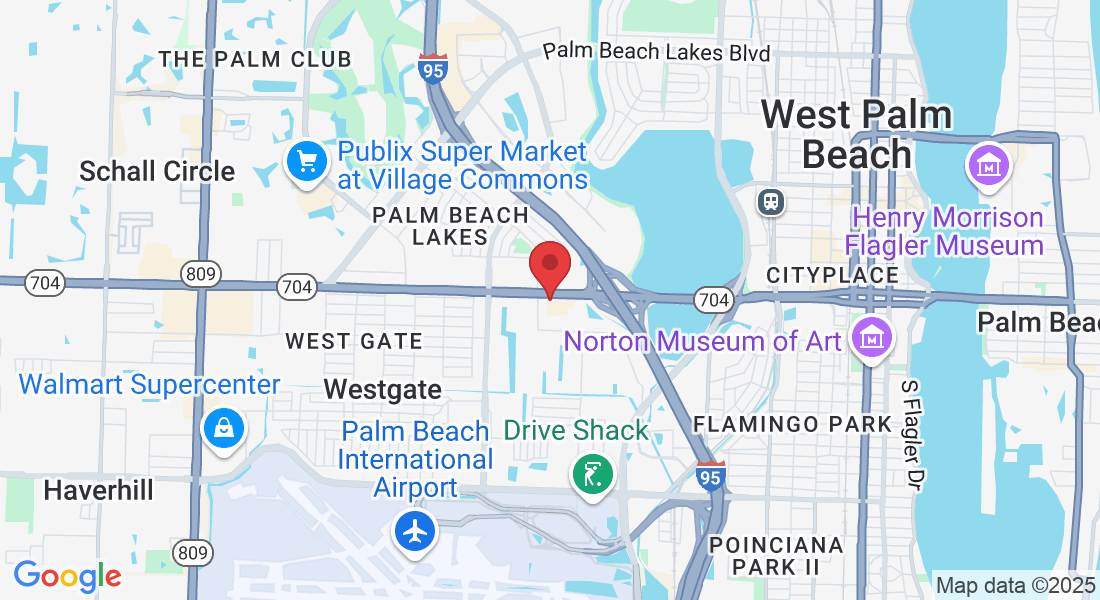
Call (561) 962-12311900 Okeechobee Blvd Ste A10
West Palm Beach, FL
(561) 962-1231
[email protected]